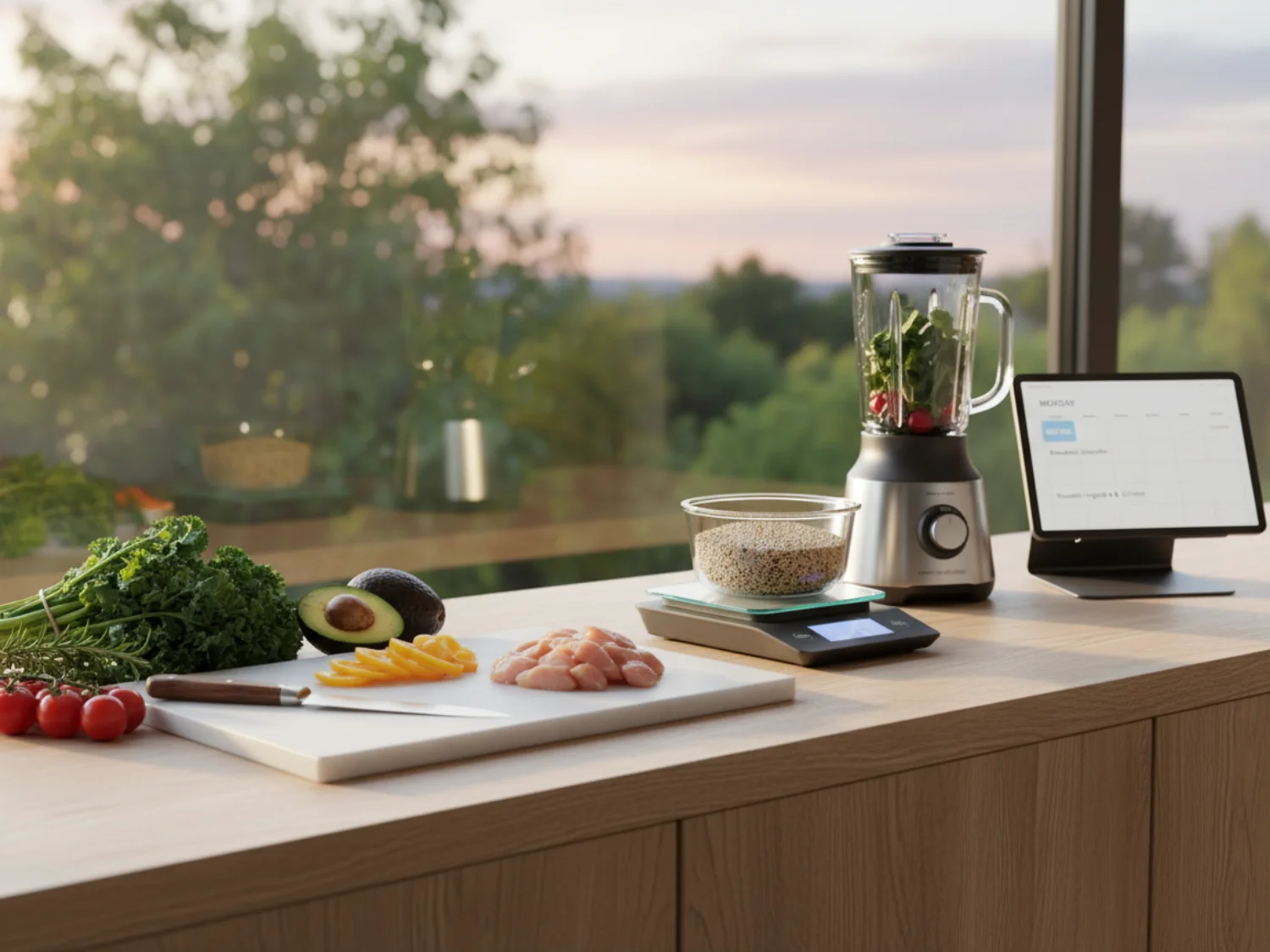


Most people look at high-protein meal prepping as a test of discipline. They think surviving on dry chicken breast, plain broccoli, and identical plastic containers for five days straight is just the price you pay to hit your macros. But if your nutrition strategy relies entirely on choking down boring meals, your system is going to fail long before your willpower does.
In a high-volume professional restaurant kitchen, we don’t survive on willpower. We survive on mise en place—a French culinary phrase that translates to "everything in its place." It is the philosophy of setting up your station with absolute logistical efficiency before the rush hits. Friction in a kitchen line causes delays, ruined dishes, and chaos. Friction in your personal nutrition causes missed meals, fast-food runs, and abandoned goals.
1. Prep Components, Not Complete Meals
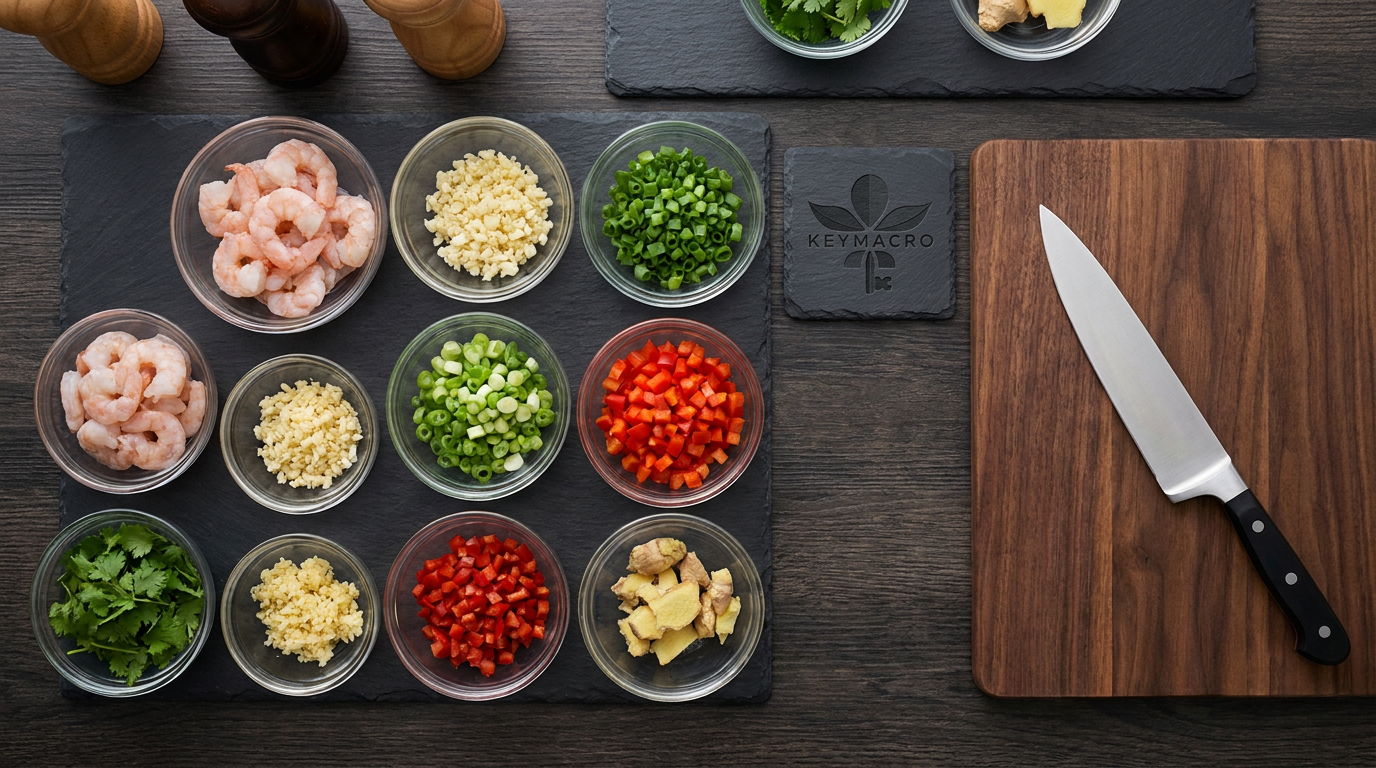
The biggest mistake in traditional meal prepping is cooking entire meals in advance. Reheated five-day-old chicken breast is texturally terrible. Instead, adopt the restaurant method: batch-prep individual components that can be assembled in under five minutes.
Spend your prep time washing, chopping, and marinating your proteins, but leave the final cooking for the day you eat it. For example, marinating lean seafood like mahi-mahi, flounder, or shrimp in citrus and herbs ahead of time takes ten minutes on Sunday, but allows you to sear it fresh in a hot pan in less than four minutes on Wednesday. You get restaurant-quality texture and maximum protein density with zero lingering leftovers.
2. Build a Fluid Protein Rotation
Monotony kills consistency. Lean seafood is the ultimate weapon for hitting high-protein targets because of its incredible protein-to-calorie ratio, but it requires proper handling. Group your proteins by stability:
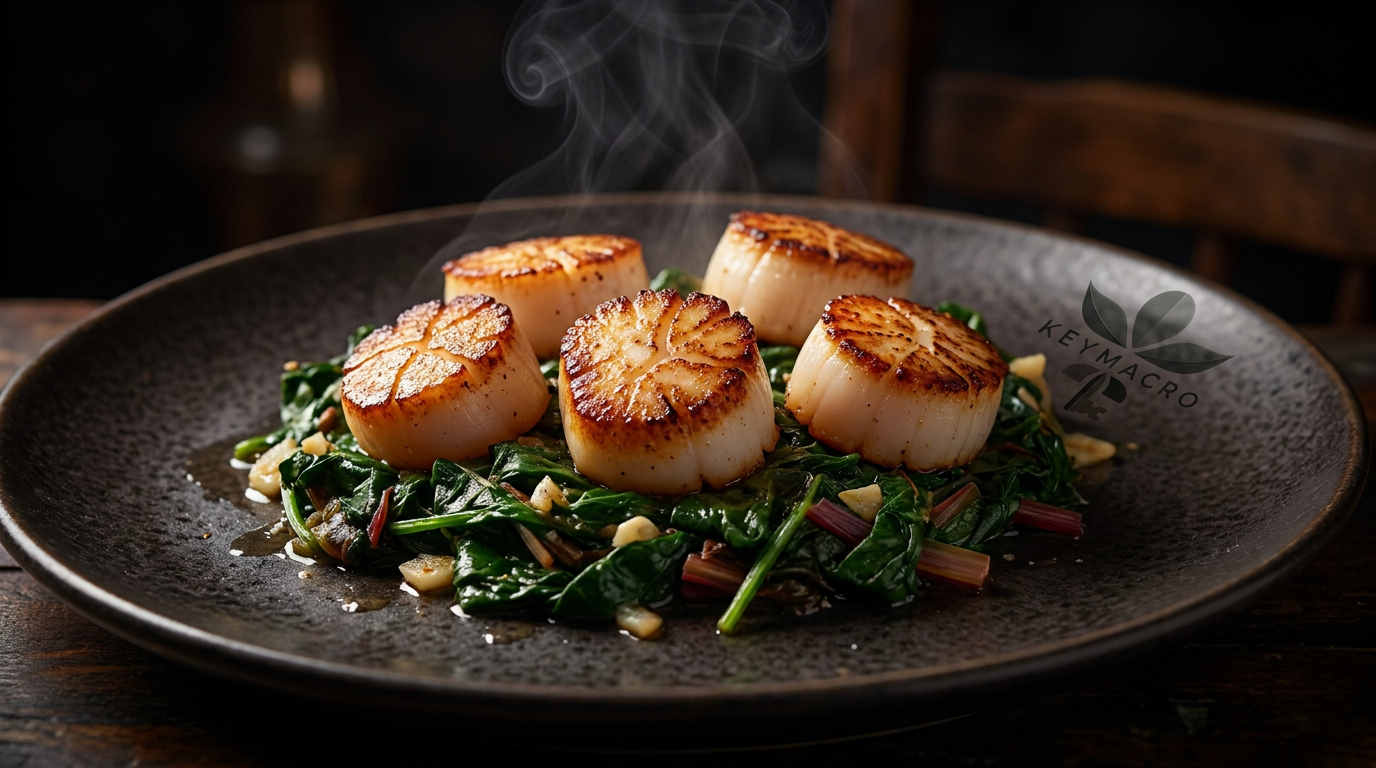
- Days 1–2 (Fresh & Delicate): Use your delicate proteins first. Fresh Atlantic salmon or sea scallops should be prepared early in the week when their quality and moisture content are at their peak.
- Days 3–5 (Marinated & Sturdy): Transition to sturdier options like chicken breast or ground turkey that have been marinating in the fridge, absorbing flavor without breaking down.
3. Lower the Cognitive Load
When you come home exhausted after a long day of work or a brutal gym session, your brain is done making decisions. If you have to calculate your macros, find a recipe, chop vegetables, and cook from scratch, you will choose the path of least resistance: a delivery app.
By treating your kitchen like a functional production line—where the garlic is already minced, the greens are washed, and the proteins are portioned out in rows—you remove the cognitive load entirely. You don't have to think; you just execute.
Stop trying to force yourself to love boring food. Uncomplicate your framework, organize your station, and run your kitchen like a professional.
KeyMacro App Now Available